




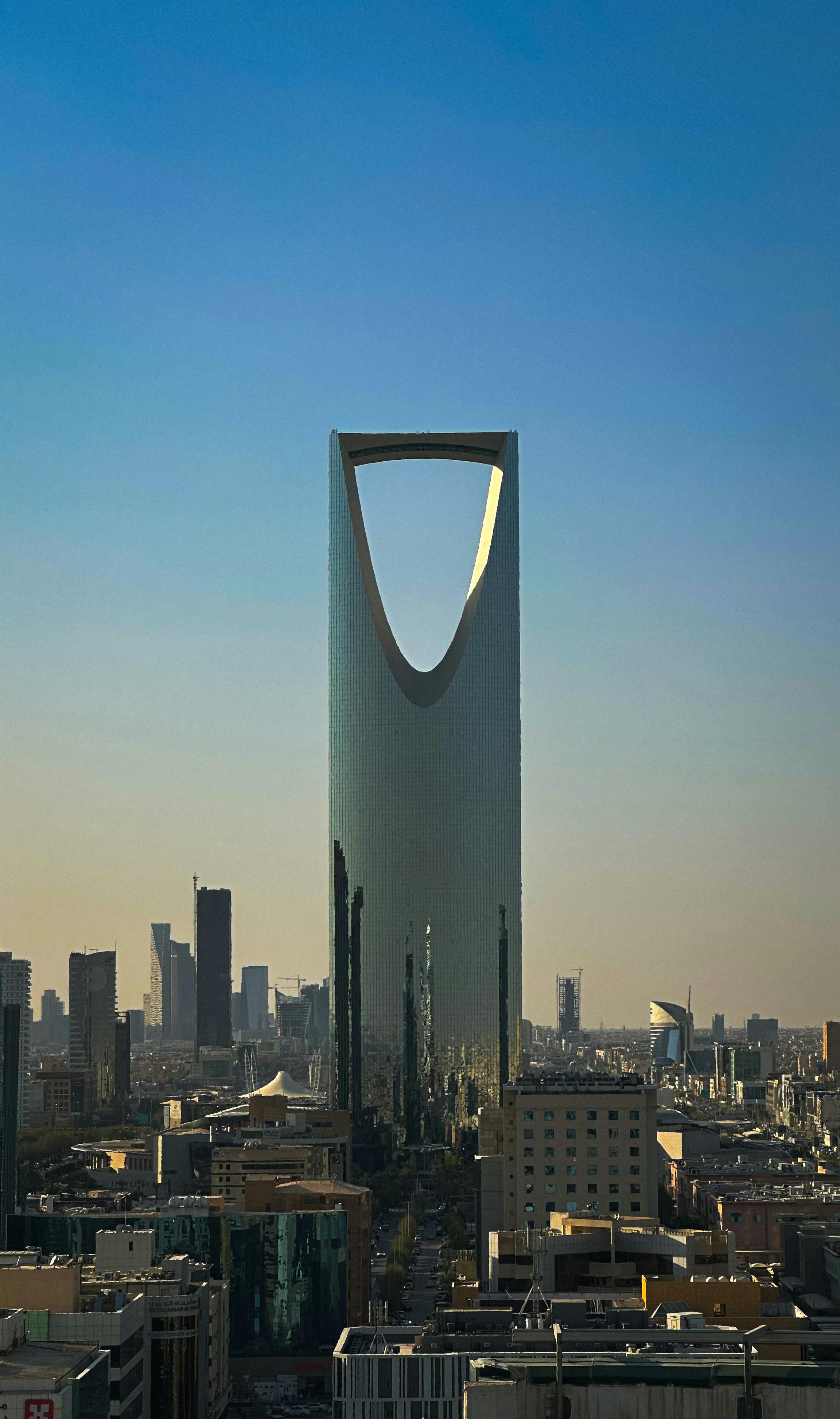
Saudi Arabia’s Public Investment Fund may be preparing to end its financial backing of LIV Golf after reportedly investing about $5 billion into the breakaway circuit, a development that could have major implications for the future structure of professional golf. While LIV Golf has publicly pushed back against speculation about its future, reports have fueled widespread discussion across the sport about what comes next for the league and for the players tied to it.
If funding is reduced or phased out after the 2026 season, as some reports suggest, it could mark a significant shift for a tour launched in 2022 with ambitions to reshape elite golf through team competition, guaranteed contracts, and a global event schedule.
LIV Golf’s Impact On The Game
Regardless of what happens next, LIV Golf has influenced the professional game.
Its arrival prompted higher prize purses across professional golf, accelerated discussions around schedule reform, and introduced a team-based concept not previously seen at this level. It also drew some of the sport’s biggest names and created a competitive dynamic that altered the landscape for players, fans, and governing bodies.
The league’s business model, however, has often raised questions about long-term sustainability, particularly given the scale of investment required to support player contracts, operations, and global events.
What A Funding Exit Could Mean
If Saudi backing ends, LIV Golf would likely face several possible paths.
One scenario would involve seeking outside investors to continue operating in its current or a modified form. Another could involve restructuring the league, reducing costs, or moving toward a more commercially driven model.
There is also the possibility that renewed discussions around broader cooperation in professional golf could gain momentum, particularly as the sport continues to navigate a divided competitive environment.
At this stage, much remains speculative, but the conversation has intensified around whether LIV’s future lies in independence, restructuring, or some form of integration with the wider golf ecosystem.
Potential Impact On Players
For LIV players, the uncertainty naturally raises questions.
Much will depend on contracts, event schedules, and whether the league maintains its current structure. Some players may remain committed if alternative financing emerges, while others could face decisions about competitive opportunities moving forward.
For the broader professional game, the issue is not simply about one league’s funding but about how elite golf evolves from here.
That is particularly relevant as fans continue to call for greater clarity and stronger fields across the sport’s major events.
The Business Side Of The Story
From a business perspective, reports of a possible funding withdrawal have renewed scrutiny of LIV Golf’s economics.
Launching a global tour from scratch is enormously expensive, and questions have persisted about television revenues, sponsorship growth, franchise valuations, and long-term profitability.
If Saudi investment does end, the next phase could become a test of whether LIV can operate on a more conventional sports business model.
That would be a significant transition for a league built on unprecedented financial backing.
What It Means For Professional Golf
For professional golf overall, this story may be less about the end of a league and more about the next phase of the sport’s evolution.
LIV Golf forced change, whether through increased player earnings, structural innovation, or pressure on traditional systems.
If the league now faces financial change, the sport may again be pushed toward adaptation.
That could involve continued fragmentation, greater collaboration, or an entirely new competitive framework.
Much depends on what develops in the months ahead.
Looking Ahead
For now, LIV Golf continues to operate and no formal end to funding has been announced. But the reports have introduced a major new variable into one of golf’s most consequential modern stories.
Whether this leads to restructuring, new investment, or broader changes in the professional game, the situation will be closely watched across the sport.
For players, tours, and fans alike, the bigger question is no longer simply what happens to LIV Golf.
It is what the next version of global professional golf looks like.