






From Quiet Golf Community to Major Transport Node
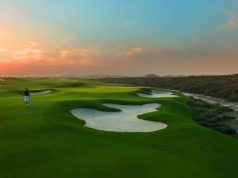
Dubai’s Jumeirah Golf Estates, long known for its world-class golf courses and luxury villas, is rapidly evolving into one of the emirate’s most important public transport hubs.
What was once a suburban residential area is now at the heart of Dubai’s expanding transport network.
Multiple Rail Lines Converging in One Location
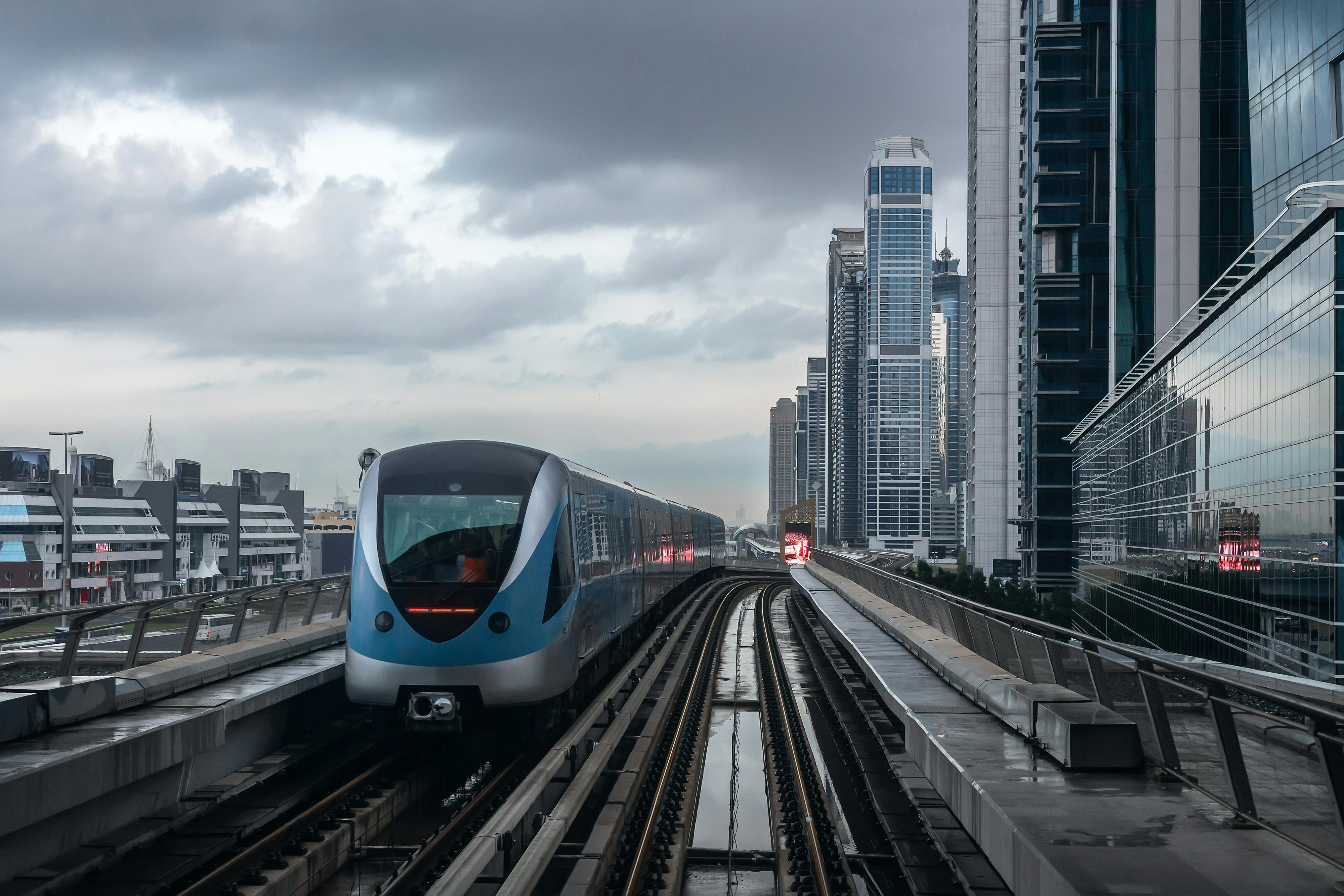
The area already features a Red Line Metro station that opened in 2021. It is about to gain even greater importance with the upcoming Dh34 billion Gold Line Metro, which will run from Al Ghubaiba in historic Dubai and terminate at Jumeirah Golf Estates.
Adding further connectivity is the new Etihad Rail passenger station — Dubai’s first announced inter-emirates rail terminal. Located directly opposite the Metro station, it is expected to welcome passengers later this year. A pedestrian footbridge is under construction to allow seamless transfers between the two.
Why Experts Call It a Future ‘Super Hub’
This combination of Red Line, Gold Line, Etihad Rail, bus services, and direct access to the E311 motorway positions Jumeirah Golf Estates as a true super connector.
Dr Simona Azzali, public transport expert at Canadian University Dubai, believes the integrated design will significantly boost ridership. She sees the hub linking older parts of Dubai with Expo City, Dubai South, and Al Maktoum International Airport, while also supporting national connections via Etihad Rail.
Transport consultant Martin Tillman describes it as a shift from simple metro corridors to a mature, multi-layered transport network — a genuine transit-oriented development (TOD) where residential areas, jobs, and services are all within easy reach of multiple transport options.
Development Boom Around the New Hub
Large plots of land surrounding the transport interchange are already earmarked for major projects by developer Al Wasl, including a new Mandarin Oriental hotel. The hub is expected to serve not only Jumeirah Golf Estates residents but also neighbouring communities such as Jumeirah Village Triangle, Al Furjan, and Dubai Sports City.
A Step Toward Reducing Car Dependency
As Dubai’s population continues to grow rapidly, projects like this aim to ease traffic congestion and promote more sustainable mobility. Success will ultimately depend on strong first-and-last-mile connections — including buses, taxis, shaded walkways, and convenient parking.
If executed well, Jumeirah Golf Estates could transform from a peaceful suburban enclave into a vibrant, well-connected urban destination.